Tag: health

  • Beyond The Numbers

    Why this name?

    If you are currently living with diabetes or supporting someone with the condition, you will be aware of the many numbers:

    • Blood glucose levels
    • HbA1c (average glucose levels over the past 3 months)
    • Time in range
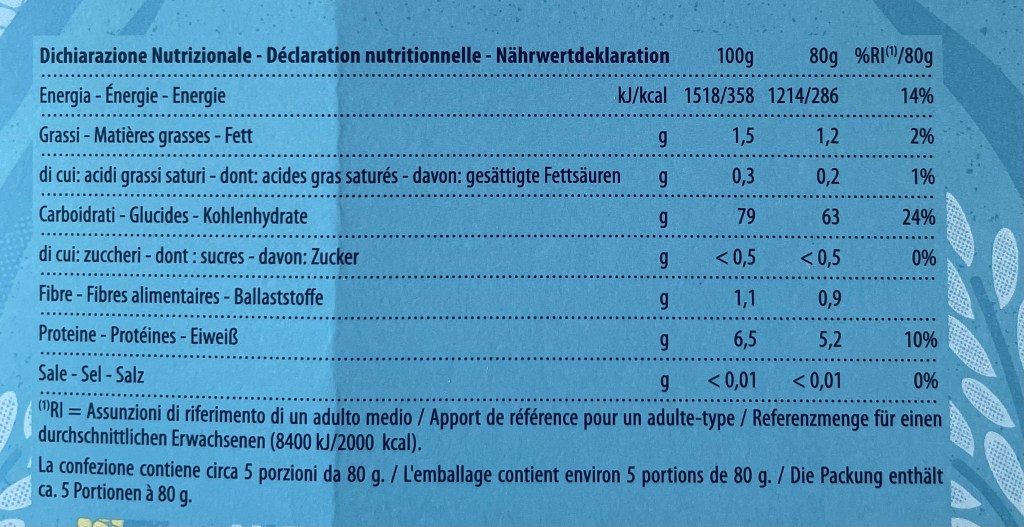
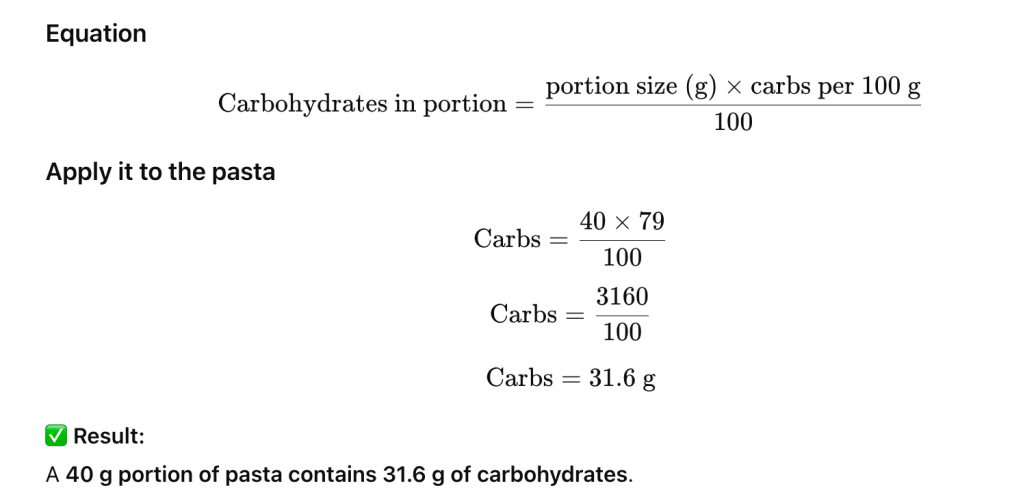
    • Carbohydrate counting (how many carbs are in a food/meal)
    • Insulin units
    • Correction doses

    In a professional capacity I was of course aware of blood glucose levels and HbA1c but I learnt about the others pretty quickly.

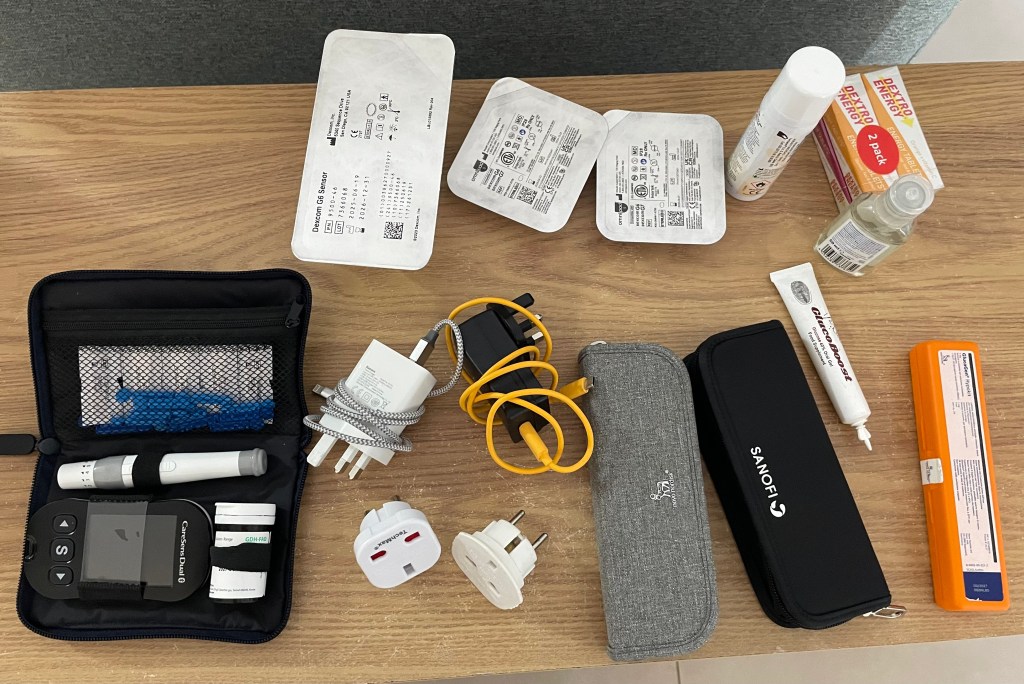
    New technology that has been developed to support and manage Type 1 Diabetes such as continuous glucose monitors (CGM) and insulin pumps are life changing but they also mean that you are constantly surrounded by numbers, alarms, screens and target ranges. It can be overwhelming.

    Whilst numbers are both important and essential, over the past 5 months we have started to learn that they are not everything. Numbers do not tell the whole story…

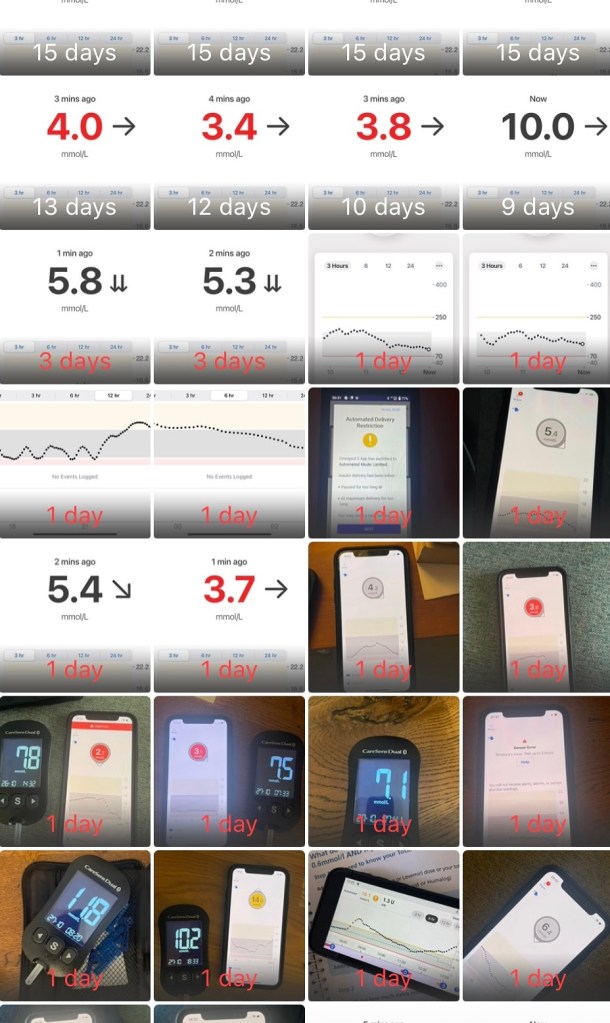
    What the deleted photo section of my phone looked like from the early days

    In the early days, we put so much pressure on ourselves to get it right all the time; thriving to hit the targets, avoid the hypo’s (low blood glucose levels) and hyper’s (high blood glucose levels). However, it wasn’t sustainable.

    If I am being honest, I think that I felt the pressure more as a healthcare professional (currently on a career break). Quite a few people commented about how lucky T was to have a Dietitian as a mother. Full disclaimer, since qualifying as a dietitian I have done little in the world of diabetes other than supporting patients that may also have diabetes. If a patient with Type 1 Diabetes required input, they would always be signposted back to their specialist team. I specialise in oncology which is very different. Therefore, whilst people assumed that I knew a lot, all I needed was to be treated like a mother with no clue and limited knowledge.

    What the numbers don’t show

    The constant decisions – it is estimated that an extra 180 decisions a day are made for a Type 1 Diabetic (Stanford Medicine, 2014).

    • Insulin timing
    • Whether running about in play park is OK and not going to send levels plummeting
    • Whether letting T have the birthday cake at the party is OK, never mind having to guess what the carb content of the cake is…. (still yet to get this one right)

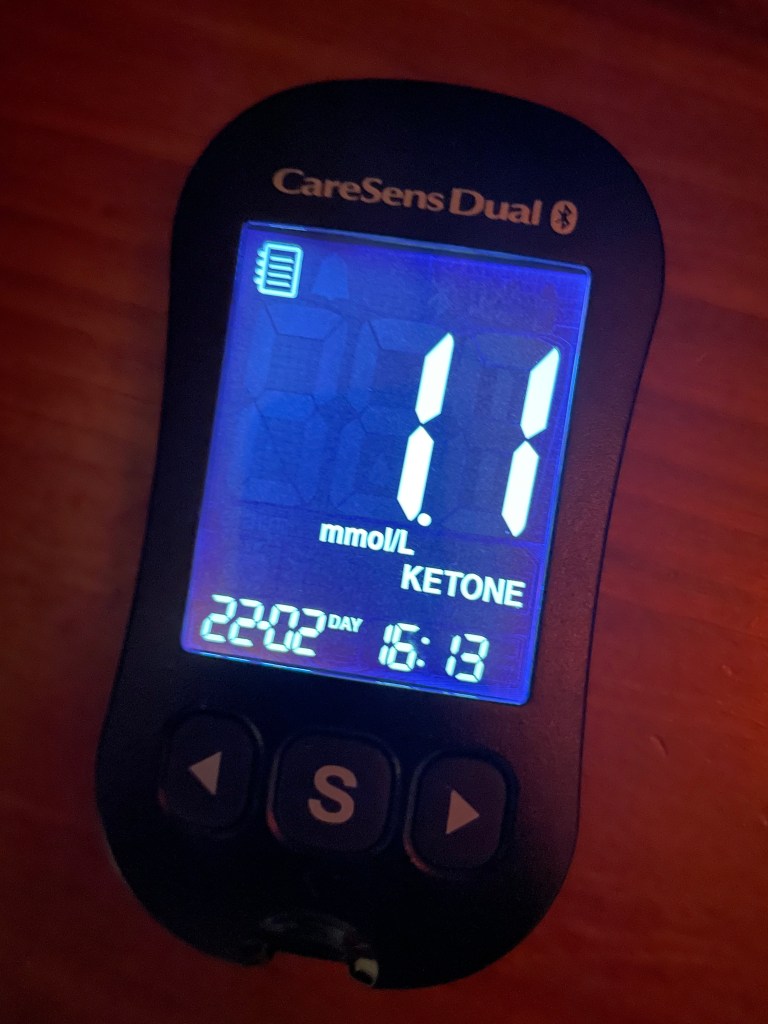
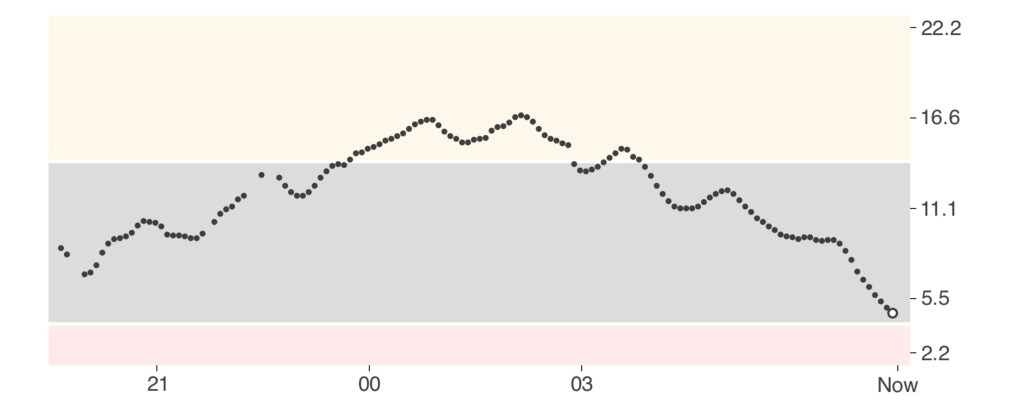
    The hypo’s avoided – the time in range may look good but it doesn’t show that having that having the target set to 6.1 mmol/L will sometimes cause the pump to over shoot, meaning that we need to step in and give dextrose tablets to prevent that hypo.

    The interrupted sleep – waking up to the CGM alarm going off alerting you to a hypo and then having to wake your child up at 3am to give them dextrose tablets half asleep. I wake up most nights at least once a night to check what his levels are.

    The constant maths – carb counting 5 times a day (T likes to eat). Eating out has become a source of stress, and trips to cafes and restaurants are no longer a thing. I’m not looking for sympathy as we are fortunate to be able to afford to eat out, but when you have to wait for the food to arrive to be able to guess the carb content before asking your child to look at it for 10 minutes whilst they wait to eat, it is just stressful and not really fair. The Italians also don’t do kids’ portions, and on one occasion, the bowl of pasta was never-ending and bigger than we originally thought. Cue meltdown in the restaurant as we were trying to get T to stop eating, as we hadn’t given enough insulin.

    https://carbsandcals.com/ – this book and app I would recommend as it has helped with carb counting

    The finger pricks – because you don’t trust the CGM reading or it decided to stop working. Some days we do none and some days you run out of fingers to prick.

    Changing insulin pumps and CGMs – this is done every 3 and 10 days respectively and whilst we know that it means he doesn’t have to have 6 injections a day, to a 5 year old it is rubbish.

    The stress of waiting to eat – honestly, the frustration at having to wait 10 minutes is probably the biggest source of stress in our house. Before any snack or meal, T always questions how long he will have to wait to eat, even though he knows that it is 10 minutes. We have suggested things to fill the time (colouring/playing a game/watching an episode of a favourite programme) but it is always met with resistance.

    Mental load and anxiety

    • Decisions made (did I do the right thing?)
    • Alarms going off in the middle of the night. It is a hypo or just a pressure low where he has been lying on his sensor?
    • When diabetes just doesn’t want to play ball and you have been dealing with a stubborn hyper for 90 mins, give a bit more insulin, do some running around and then suddenly levels start to drop like a stone and you are then worried about a hypo
    • The fact that you can do exactly the same thing two days in a row and get completely different results. I read somewhere that Type 1 Diabetes is like sitting an exam but by the time you have finished answering the questions, the questions have changed. Sounds about right…

    The enforced activity – the 0830 trips to the play park on a Sunday morning as high glucose levels just won’t shift. Sometimes, a walk can be more effective at shifting those stubborn hyper’s

    The guilt – when he is crying about how much he hates diabetes or if we have had to say ‘no, you can’t have that snack yet as your levels are too high’ or ‘no, you can’t run off and play yet as you are about to have a hypo’. As parents, I think it is safe to say that that we feel guilt and would do anything to take the hurt away from T.

    I haven’t written this post to just complain or to make people feel sorry for us. I am writing it for the people also living the Type 1 Diabetes life to say that we see you and we get it.

    For those not directly living it, it’s about raising awareness of Type 1 Diabetes, what it entails and to highlight that the number on the screen is only just the start.

    Diabetes is a 24/7 job and a constant worry. We are 5 months into this lifelong journey and only starting to get to grips with things. Despite some days being harder than others, it never ceases to amaze us how resilient a 5 year old can be and at the end of the day, we still love a dance party (sorry to our neighbours for soda pop and zoo, the current favourite songs, for being on repeat).

    L x

  • Our diagnosis: 3 weeks after moving to Italy

    Our diagnosis: 3 weeks after moving to Italy

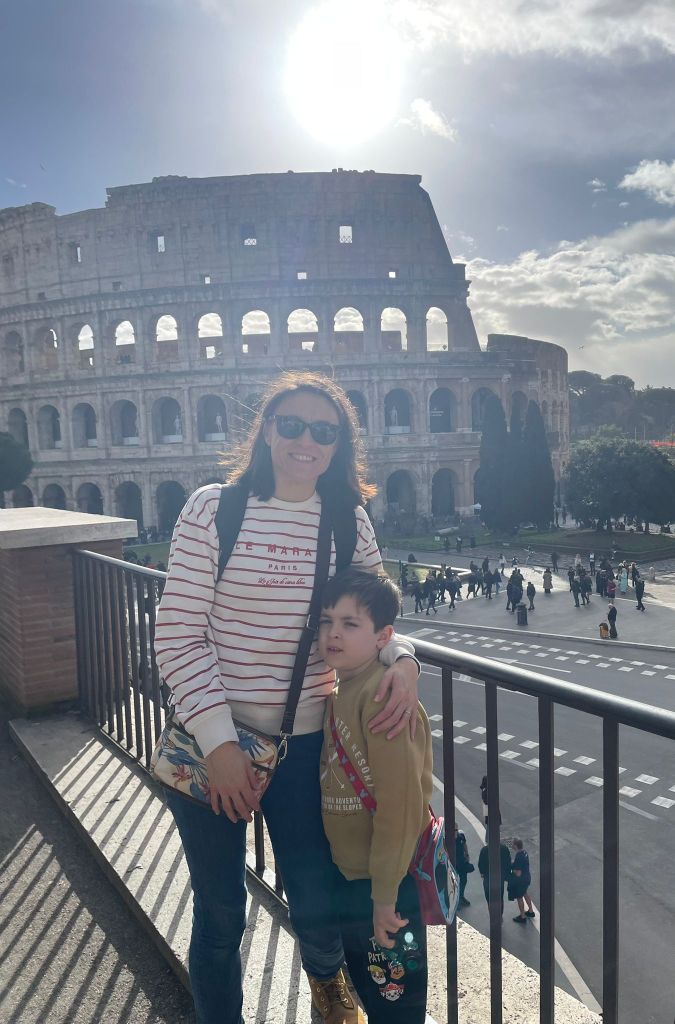
    In August 2025 we moved to Southern Italy with my husband’s job. It was an exciting time, moving to live in the sun, near the beach and a place revolving around pizza, pasta and gelato.

    However, we could not have predicted the turn of events that would occur 3 weeks after moving country.

    1st September 2025

    This date will stick with us forever, and in the lead-up, we had no idea what was coming. Although, in hindsight, the symptoms were there. The day before, we had visited a local historical site (lots of those around here), and boy, was it hot. We attributed the requirement for lots of water and continuous trips to the loo to this; little did we know.

    The day before…

    Temperatures at this point were reaching almost 40 degrees Celsius. As the symptoms had only become apparent when we moved here, we put the thirst, frequent urination and tiredness down to the heat and drinking shed loads of bottled water. However, after 3 weeks of this and the more frequent waking up in the night for T to go to the toilet as well as needing the toilet regularly throughout the day, we started to question whether something else was going on.

    Before moving to Italy, I had been working in a GP practice for almost 4 years as a Dietitian and Trainee Advanced Clinical Practitioner. It was only this experience that led me to question whether T had a Urinary Tract Infection (UTI) or Diabetes. I tried to rule out the possibility of it being a UTI by asking about other symptoms, but if you have a young boy you will know that they just like saying ‘no’.

    First Clinic

    Luckily, as a military family we fall under the remit of a Royal Navy GP and access was quick, with an appointment the same morning. Initially having been asked if it was an urgent appointment as appointments were thin on the ground that Monday morning, I said ‘no’ it wasn’t urgent but also it wasn’t really a routine matter that could wait a week. 10 minutes later, I received a call to say that the Dr would see him that morning. Let’s put it this way, I think that I was in denial about how serious it could be.

    Typical me, I felt like I was probably wasting an appointment and overthinking the symptoms. I am pretty sure I even started the conversation with, ‘I’m sorry if I am wasting your time’. A physical examination and urine dip later, we had the answer and it wasn’t what I wanted to hear. I knew before being told that it was what I was hoping against when the doctor seemed to face the sink (essentially the wall) straight away after dipping the urine – it only takes 45 seconds to see if there is anything that would suggest an infection.

    T had all of the 4 symptoms of Type 1 Diabetes:

    • Thirst
    • Tiredness
    • Thinness (this is something that we didn’t notice as much as we were together all the time)
    • Toilet – needing to urinate constantly

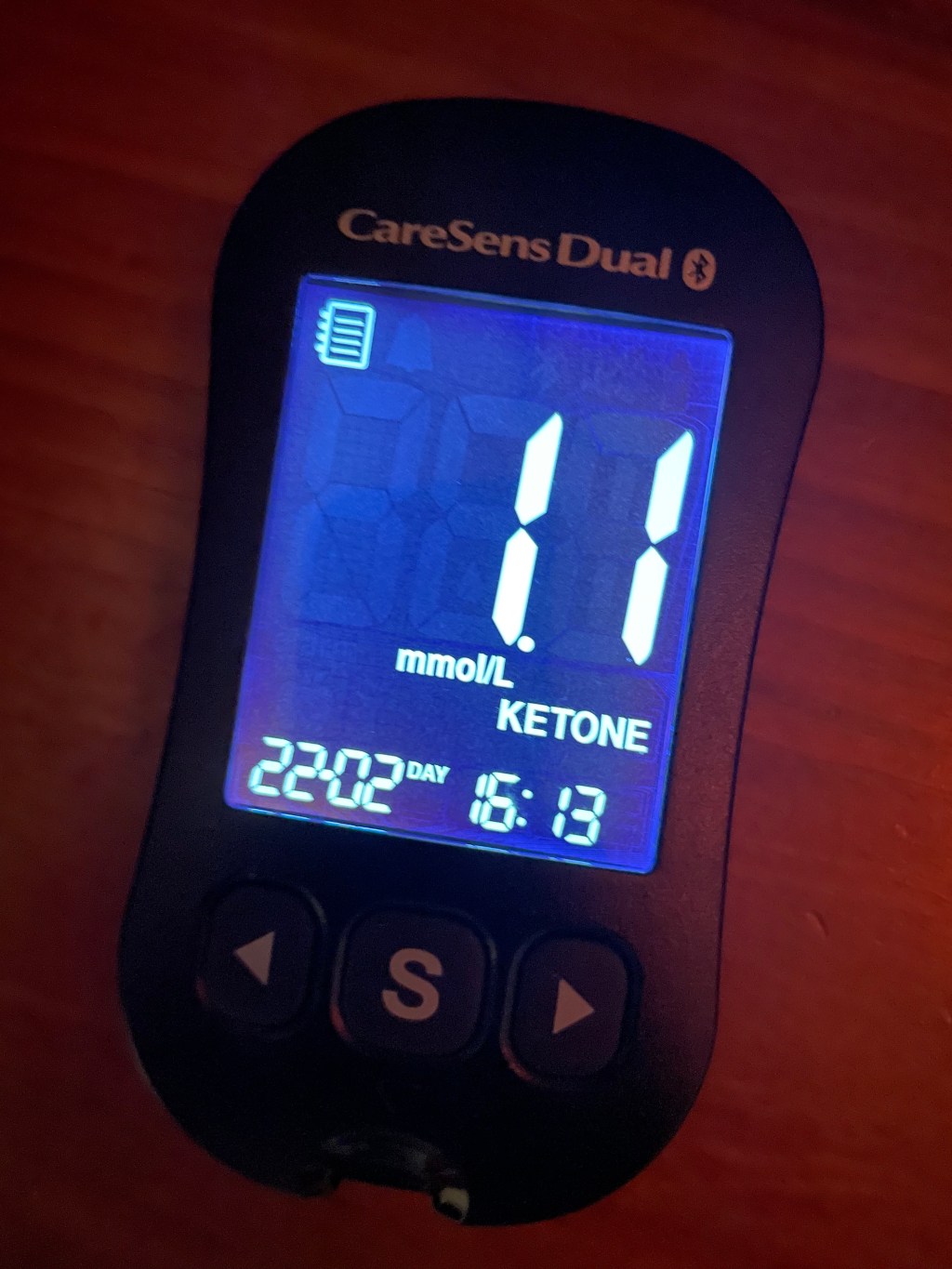
    Urine full of ketones and glucose is not something that anyone wants and I even asked whether there were any other conditions that could cause these results as to my knowledge their weren’t.

    I will admit that I cried.

    I tried so hard not to cry, especially in front of T, but even after having worked as a dietitian for 13 years nothing prepared me for the fact that my child was probably going to be diagnosed with Type 1 Diabetes. We still needed bloods before a confirmed diagnosis could be given.

    The rest of the day felt like it went on forever. We had to get hold of dad who can’t have his phone on him at work. Once we were reunited, the preliminary diagnosis was explained and we were told to go home and get an overnight bag and to go to the U.S. Military Hospital as T would need to see the paediatrician for a work up and would be in for at least the night. Little did we know that T wouldn’t be home for 9 days.

    Our beautiful, fun-loving and funny boy was going to be told that life would never be the same for him. He was also going to have to go through a lot of things that an almost 5 year old shouldn’t have to. He had never had a blood test before…. I wanted to protect T from everything and came close to saying that he didn’t need to look at the needles but I quickly realised that it wouldn’t help him in the long run when needles would become a part of his life. I can confidently say that he was much braver than I am.

    As a parent, as you may know, it is horrible to see your child so vulnerable.

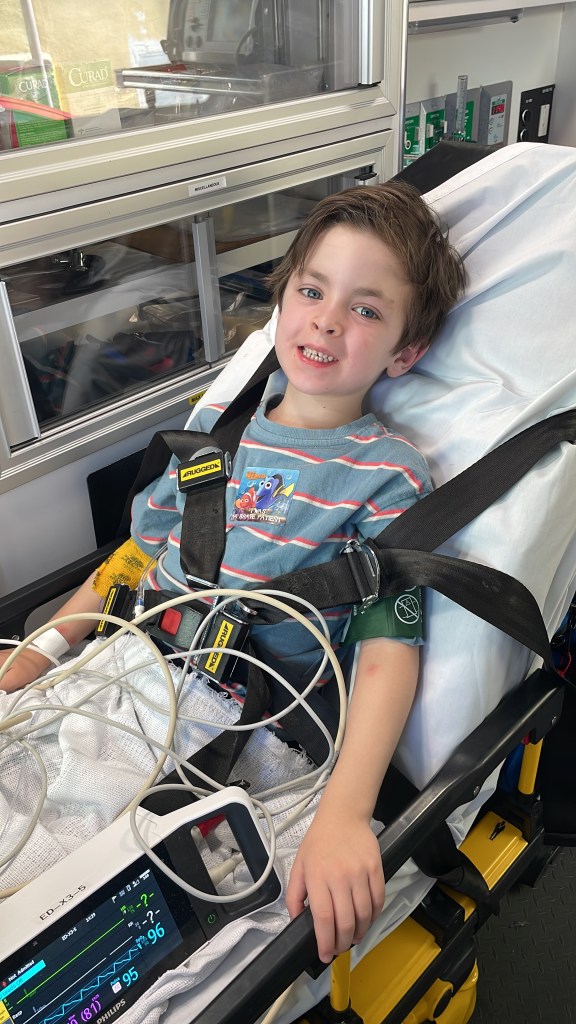
    Three Hospitals, two ambulances and 1 bumper knocked off a parked car later…

    The U.S. Hospital couldn’t provide the required care as it was not something that they had dealt with often (we are screened medically to move abroad) so they wanted us transferred to the Italian system and into a hospital where it is their bread and butter.

    Driving is also pretty epic in this part of Italy and my poor husband had to drive into the city centre for the first time, whilst following an ambulance and reunite himself with us in two very large hospitals whilst not speaking the language. Super dad.

    T was hungry and tired, never a good combination. However, until his blood glucose levels were in a safe range, he couldn’t eat.

    Levels when tested in the U.S. hospital were >800mg/dL, which if you google it (don’t ever google) is a medical emergency. I thank my lucky stars that he hadn’t gone into diabetic ketoacidosis (DKA), as it could have been so much worse. The Italian system works in a different currency for blood glucose levels, and in the UK this is the equivalent of >44.4 mmol/L. Lots of fluids and insulin later, it was coming down but he still couldn’t eat anything until later that night in the University Hospital where we would stay for 9 nights.

    Italian Hospitals are very different to the U.K. and as we were so new to the country we found ourselves in rooms full of doctors and nurses that spoke a different language, it was overwhelming. Infrastructure isn’t the priority out here and there are no curtains in the wards which was quite a strange experience. However, the care was excellent and it was amazing how many of the doctors spoke English and using google translate and our pigeon Italian we got by.

    After more blood tests and a visit from what I can only assume was a registrar equivalent, we were told to await the results of the autoantibodies but his symptoms and random glucose result in their eyes was the diagnosis of Type 1 Diabetes. We were going to take it in turns to stay with T (there was a chair next to his bed) but I stayed the first night. Dad did the 50 minute round-trip to get us more home comforts and we discovered how strict Italian Hospitals were with visiting hours when, upon his return, he wasn’t allowed back up to the ward. Another thing that set me off crying… Luckily the security guard went off for a cigarette so we both went back upstairs to see T before being dad headed back home again.

    It’s only writing this down that has made me reflect on what a crap day it was. However, it never ceases to amaze me, the care that healthcare professionals provide, despite having worked in that sector for so long. There we were, in someone else’s country and all they cared about was getting T safe clinically and all the while apologising for their English.

    I’m going to leave this essay there and perhaps I will touch on our time in the Italian system in another post.

    L x

    Leave a comment