Tag: type 1 diabetes

  • No Carbs before Marbs

    No Carbs before Marbs

    Just kidding, we are all about the carbs in this household!

    What are carbohydrates?

    Let’s start with the basics…

    Carbohydrate is one of the 3 macronutrients (the others being fat and protein) that make up our diet. Each of the macronutrients have different purposes which are equally important but for today we will focus on carbs.

    Carbohydrates are the biggest source of energy from our diet and most importantly are the brain’s main energy source. All cells in our body require glucose (a breakdown product of carbs) to function.

    I was about to draw a picture to demonstrate the importance of carbs for the brain, but then I found a great review by Arshad at al. 2025. Why re-invent the wheel?

    As you can see, there are so many benefits to carbohydrates and we need them to function, therefore, why restrict them?
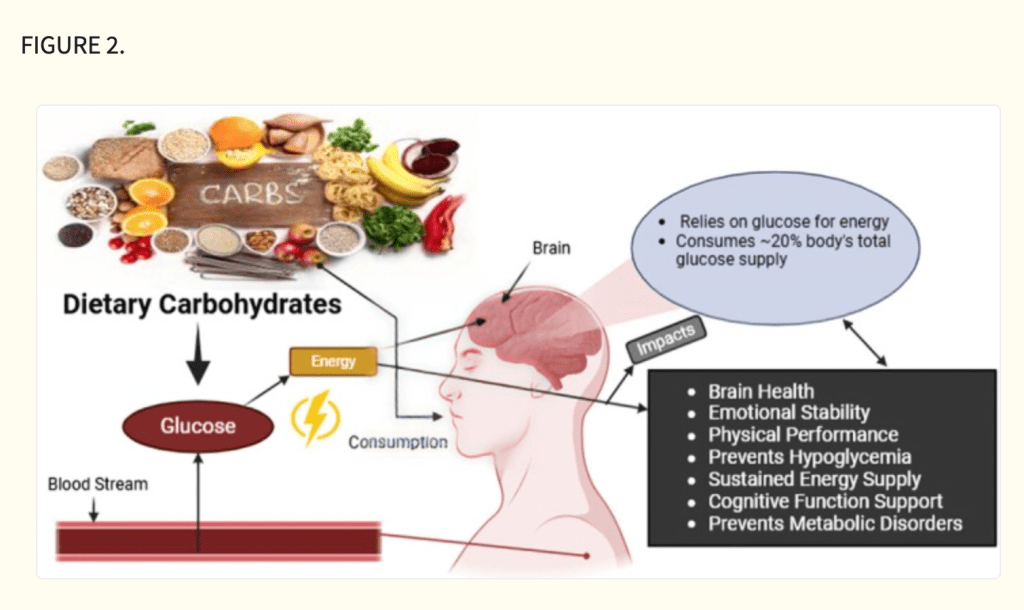
    Arshad et al. 2025

    I think it is safe to say that carbs get a bad rep a lot of the time. When people think carbs, they think cakes, biscuits and bread. There is more to it than that.

    I was at the risk of turning this into a chemistry lesson, so for the purpose of this post, carbs are broken down into three main groups based on how quickly they affect blood glucose levels:

    • Simple sugars
      • Sugar, honey, lactose and fructose to name a few
    • Starchy carbohydrates (complex carbs)
      • Rice, pasta, bread, corn and potatoes.
    • Fibre (our body can’t fully digest)
      • Wholegrains, fruit and veg etc.

    Essentially, the most important sources of carbs to include in our diet are the complex carbs and fibre as they are great energy sources but break down slowly (compared to simple sugars) allowing for longer-lasting energy.

    In the UK, recent government guidance for the early-years group, state that a child’s diet should be made up of the 4 main food groups:

    • Fruit and Vegetables
    • Starchy Carbohydrates
    • Dairy/Dairy-alternatives
    • Protein

    A source of starchy carbs should be included in all meals and ideally children should acquire around 50% of their energy requirements from this source.

    Carbohydrate Counting

    Why have I just been discussing carbs?

    You may have heard the term ‘carbohydrate counting’ when thinking about diabetes. It is deemed to be one of the most effective ways to manage Type 1 Diabetes (T1D) with the concept first being derived in the 1920’s (Gillespie et al. 1998). It allows a person flexibility with eating and the ability to match insulin to the amount of carbs eaten, instead of having to eat the same thing every day.

    To be able to use this method, a ratio of the amount of insulin per gram of carbohydrate is required. This was derived by the specialists at the hospital when T started on an insulin pump.

    Why carbs? They are known to the be main food influencer that impacts on blood glucose levels.

    Whilst it sounds simple (amount of carbs = amount of insulin to be given) it’s not quite that simple.

    Carb ratios can change with age and they can also be different at different times of the day. T has 4 different ratios during the day depending on how resistant to insulin he is at that time (maybe for another post!).

    Ratios are different for different people and T’s have changed multiple times already.

    Also, different carb-containing foods can affect blood glucose levels at different speeds (i.e. glycaemic index and whether the food contains protein or fat which slows down digestion). That’s definitely for another post.

    Things that might help with carb counting

    • Nutrition labels
    • Scales
      • I’m not embarrassed to ask friends at their house and no one has questioned it. It makes life easier!
    • Using household measurements
      • Measuring cups/mugs/small bowls
    • Practice with common meals
      • I know that 4 fish fingers have 13g grams of carbs – I am that cool!
    • Apps/books
      • The trusty Carbs and Cals app/book
    • Practice, practice, practice (and hoping for the best)
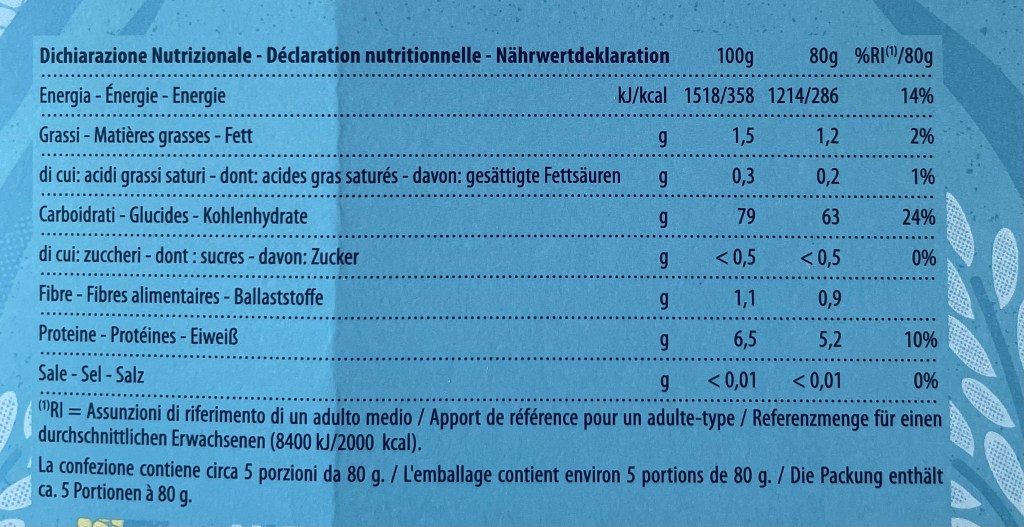
    Be cautious when reading food labels. Most of the time it is written per 100g of the product so you will need to work out the portion that you have. Another word of warning, check if it is per 100g of cooked or uncooked product as well!
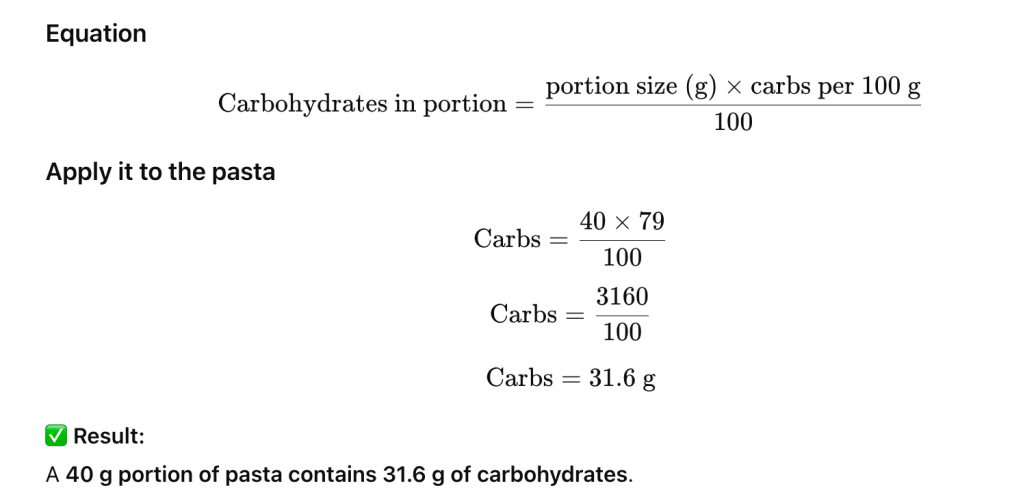
    Carb counting when eating out

    Eating at home is one thing but eating out is a whole different kettle of fish….

    We may have been doing this for 6 months but eyeballing a bowl of food to guess the weight of it does not come easily to me, even with the use of an app. We have always under estimated the amount of pasta in the bowl (the Italian’s don’t do kids portions).

    I’m hoping that with practice it will get easier. I did once have the idea of cooking different amounts of pasta at home and taking photos using a bowl that I knew the size of and writing down the weight and amount of carbs in it. Did I do it though? No, of course I didn’t.

    Why we don’t restrict foods in this household

    Let’s face it, the easy thing to do would to be to limit the amount of carbohydrates in the diet. In simple terms, less carbs = less insulin.

    However, it isn’t quite as simple as that. Two, T is growing and requires carbs (glucose) to be able to do so. Three, where is the fun in that? Already so much has changed for him in his childhood and we already limit the number of times that he eats during the day (he used to be a serial snacker so we have limited it to two snacks and three meals), we can’t deprive him of everything yummy.

    Yes, we do limit specific foods more than we used to but we try not to say no all of the time. I used to be the dietitian that worked on the premise of everything in moderation because the more you restrict something, the more it is desired.

    We don’t say no to the amazing Italian pizza that the school gets in on a Wednesday. Yes, it was stressful initially but working with the dietitians in Birmingham and coming up with a strategy to split the insulin dose, it is less stressful.

    Yes, T did previously have cake/biscuits most days and now he doesn’t. Cake tends to now be reserved for birthday parties or school events where everyone else is having it. Sweets are very rarely consumed these days, only if we are out where other kids are having them. We also think about the timing, during the day is preferable to the evening – it’s not great going to bed with glucose levels sky-high!

    We now don’t have things like cake or sweets in the house (if we do, they are very well hidden). We don’t want to be the parents that say no to everything but we do know that if we say ‘yes’, we usually pay for it later and have a stressful time managing high glucose levels.

    We carry the stress so that T doesn’t have to.

    So, if you see me asking for scales or studying packaging, it’s not because I have nothing better to do with my time, I am just trying to make my life a little bit easier.

    Lx
  • Weekend Away – Travelling

    What have I learnt after our second weekend away since T was diagnosed with Type 1 Diabetes?

    Preparation is key and expect the unexpected.

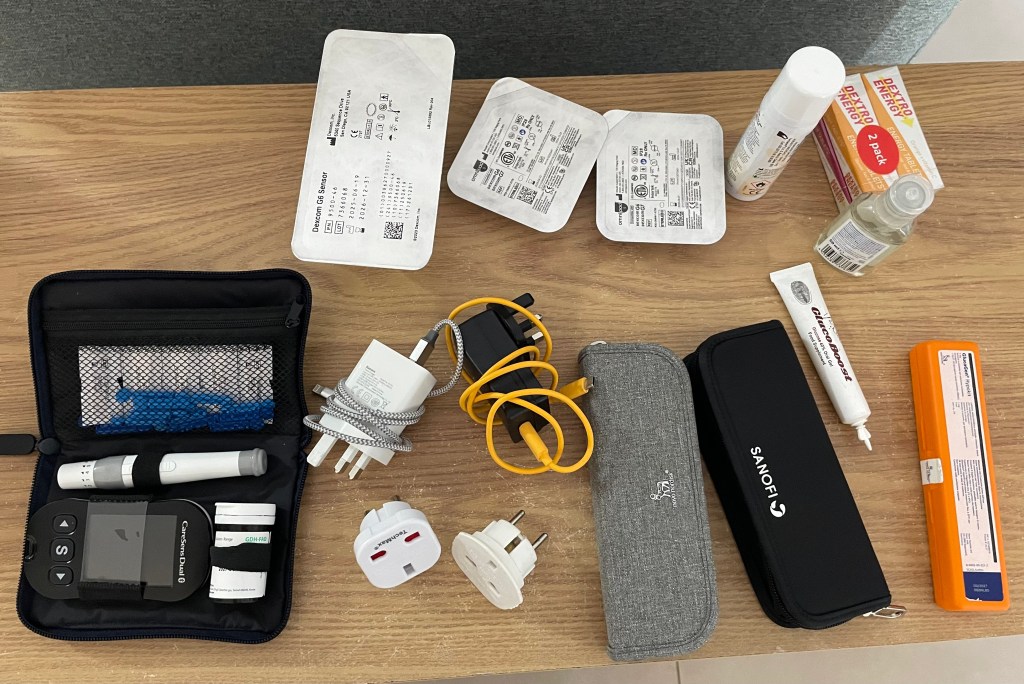
    Diabetes Kit…

    Let’s start with what we packed for our 2 night trip (just for diabetes):

    • Glucose and ketone monitor
    • 2 x spare insulin pumps
    • 1 x spare Continuous Glucose Monitor (CGM)
    • 2 x Fast-acting insulin and pen
    • 1 x Slow-acting insulin and pen
    • Glucagon pen and gel
    • Chargers for omnipod reader and iphone (CGM reader)
    • Spare dextrose
    • Adhesive remover
    • Hand sanitiser

    You may think that this is a bit excessive for 2 nights away, let me assure you that it wasn’t and for once, I am very pleased that we were so well prepared.

    Rome

    We are lucky to only live an hour away from Rome (by train) and as we have been living in Italy for 6 months now, we decided to give a weekend trip a go.

    We were aware that the trip probably wouldn’t be without it’s stresses, but it was probably a bit more eventful that we expected.

    Before heading to the train station, we had a quick snack and pump change stop, we were excited and ready to go.

    Omnipod 5 insulin pumps last 72 hours, so it should last the weekend. Great timing, or so we thought.

    As you may be aware, Italy seems to be the carb capital of the world. Don’t get me wrong, I love carbs and to me a meal without carbs, is not a meal. However, guessing the amount of carbs in a bowl of pasta or a massive pizza is just hard. That’s even with the carbs and cals app (which is a life saver).

    We made it to Rome, checked in and went in search of food. As previously mentioned, eating out isn’t something that we do often anymore but we wanted to embrace the food culture this weekend and try and just go with it. First meal out for T = spaghetti with pomodoro. Yummy, he was super excited. Looked great and he wolfed it down, we actually thought that we did quite a good job with guessing the carbs, or not…..

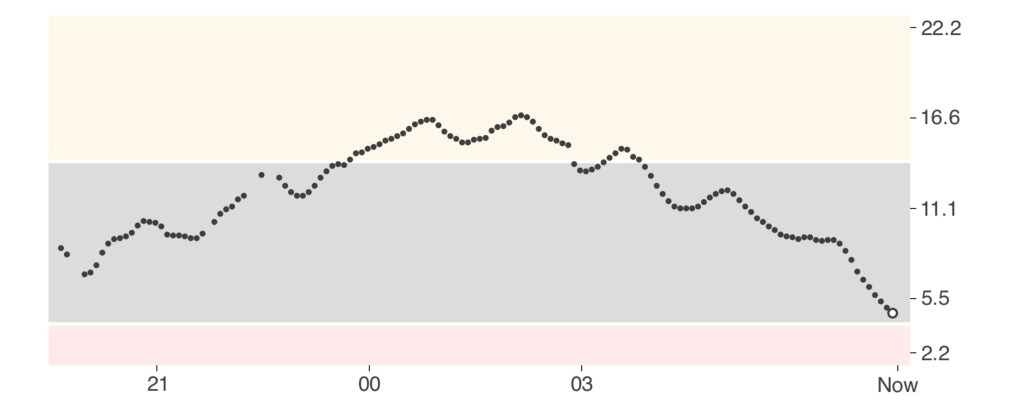
    Screenshot of the CGM readings for that night

    As you can see above, glucose levels were high for such a loooong time. Let me explain for those not used to looking at a Dexcom reading. We aim for levels between 4-10 mmol/L, the numbers that we talk about when discussing ‘time in range’.

    Anything above 14 mmol/L (the yellow section) really is high and is when you have to start worrying about whether ketones are building up. T was up there for over 3 hours, the longest it has ever been that high.

    Initially, we thought that maybe we had just underestimated the carb content of that pasta.

    When it hit 14mmol/L we gave the first correction (extra insulin) and glucose levels just kept going up…. what was going on?!?

    After 90 minutes, it was time to check blood glucose levels and for ketones. I’m not sure if you have ever had to wake a child up in the night but the guilt of having to do it to then stab their finger with a lancet is real. When they are crying half-asleep and angry at you. Luckily, T never seems to remember in the morning. Ketone levels were OK, so another insulin correction was given. Eventually after another couple of hours it started to come down but what was going on?!?! We couldn’t have gotten it that wrong, could we?

    Saturday morning (minus the hypo – the insulin must have kicked in at some point) started OK. Off to breakfast we went, things were looking good until 11am. Even had the audacity to think that we had cracked carb counting for that meal…. how wrong we were!

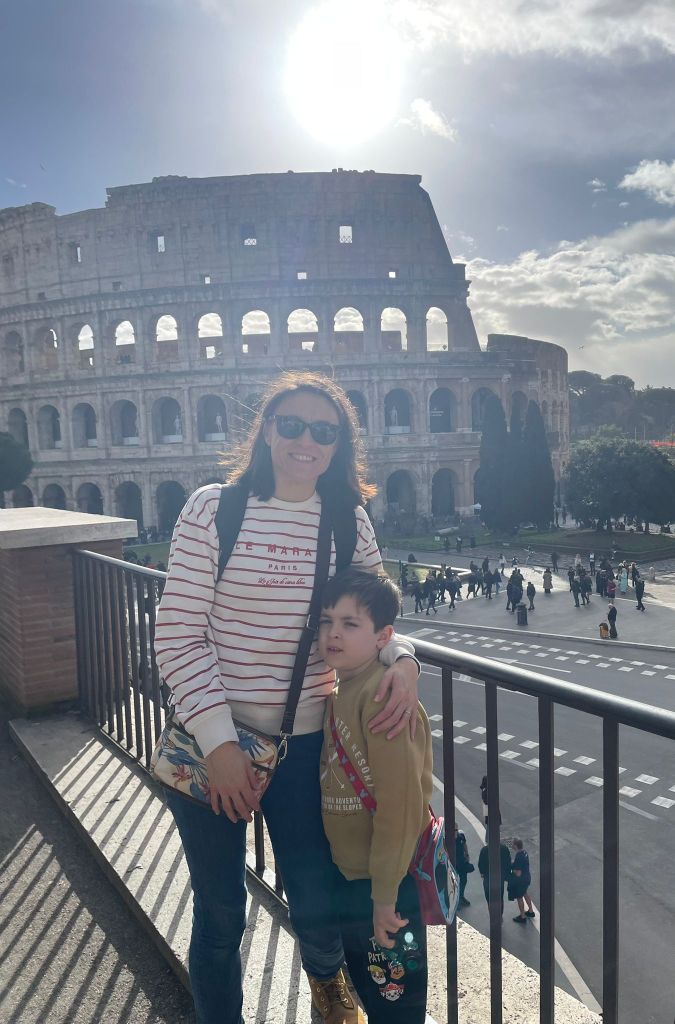
    We made it to the colosseum, had a snack (which we knew the carb content of) and the glucose levels starting to creep up again….. Out of the rest of the day, he only had glucose levels under 10mmol/L for only 20 minutes. Eeek. There goes our 77% time in range. What was going on? We had promised gelato, did he get gelato, no he didn’t. Did that make us feel awful? Yes, it did.

    We walked for miles…. Instead of using the hop-on, hop-off bus that we had paid for, we walked everywhere, in the rain. Walking is usually good for T at reducing glucose levels. We had been told that a 20 min walk can reduce levels by 2 mmol/L. Did they budge, not at all. What were we doing wrong???

    Eventually, we gave up and went back to the hotel. It had been hours and nothing was happening. It was time to consider changing the insulin pump. Hindsight is a wonderful thing and now as I write this I wonder why we didn’t change it earlier. We had never encountered this problem though. The pump obviously hadn’t been working.

    A panicked call to the diabetes nurses in the UK for reassurance, we had done the right thing and had to wait for the new insulin pump to do it’s job.

    It’s safe to say that we couldn’t face eating out again. Off to the supermarket to buy some bits to make a cheese sandwich (T wasn’t happy) and some cucumber (carb counting not needed). He eventually ate 2 hours later when levels were below 10mmol/L. Needless to say, we ended up falling asleep not long after T without any dinner.

    It had been a strange old day, on one hand we had seen some amazing sights, how lucky are we, but the underlying stress of things not going our way despite doing everything ‘right’ was epic.

    Sunday was a new day…

    Played breakfast as safe as we could so that T could get that gelato…. He had it, and enjoyed it. Yippee, mission complete. Despite over estimating carb content, up the glucose levels went. Oh boy…

    Skip to 4 hours later and after a lot of walking we finally managed a late lunch in Rome train station. There was a Wagamamas!! That cheered him up and even better, they have their meals on the ‘Carbs and Cals’ app. Levels were looking good. Ironic isn’t it, levels start to look good when you are heading home.

    I don’t mean to make it sound quite so negative, we did have a great time in Rome and can’t wait to go back. I struggle with the guilt of having to say ‘no’ to things, especially food. Gone are the days of nipping into a cafe/restaurant for an early lunch when it is tipping it down, instead we carry on with that walk. Food is everywhere is Rome and I can’t imagine how that must feel to a 5 year old diabetic…. Comments like ‘I wish I didn’t have diabetes so I could eat what I want’ gives me some idea though.

    I will never stop being proud of how T is managing overall.

    On a side note, Italian trains are great! They run on time and you get a seat. Completely different to the UK….

    Take away message

    Be prepared for anything!

    Take that spare insulin pump (and another for luck in case it doesn’t prime). We weren’t expecting to have to change it after 24 hours be there we were.

    Phone numbers – take them for your diabetes team for questions/support. We are so fortunate to be under the care of Birmingham Children’s Hospital and they have a 24/7 number.

    Carry spare insulin, both fast and slow-acting, you never know when you might need them. I once dropped a vial on the hard floor getting it out to read the name to the GP and it cracked. In the heat of the moment, slips and accidents happen.

    Take lots of ketone and glucose testing strips. We went through 6 ketone strips in 2 days….

    Most importantly, enjoy the experience (as much as you can).

    L x